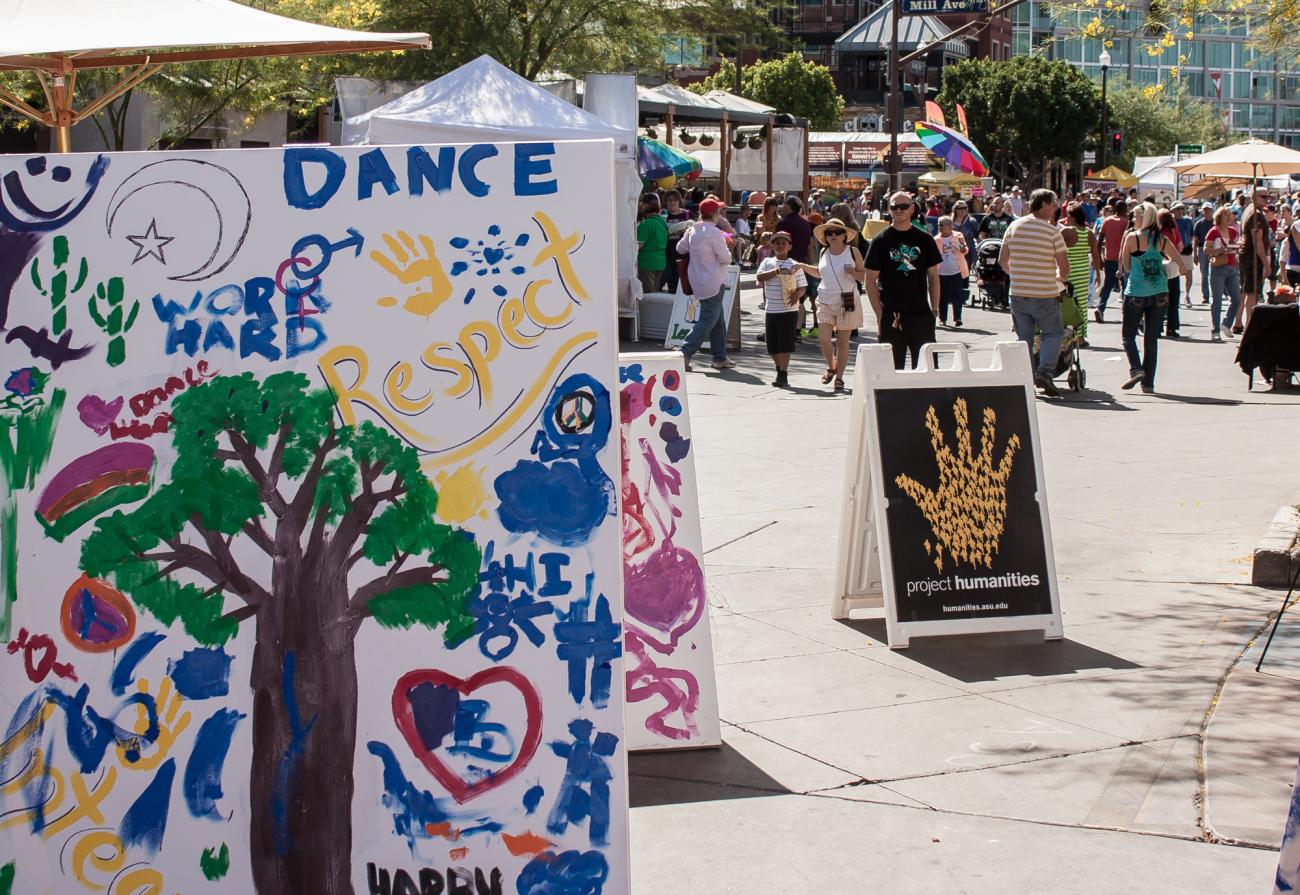
Cultural Appropriation

What is Cultural Appropriation?
“Cultural appropriation” describes the taking over of creative or artistic forms, themes, or practices by one cultural group from another; generally Western appropriations of non‐Western or non‐white form. The act of cultural appropriation connotes cultural exploitation and dominance (Oxford). More broadly, cultural appropriation is the taking of intellectual property, cultural expressions, or artifacts, history and ways of knowledge from a culture that is not one’s own (Ziff).
About
Although our society is increasingly integrated, we are still not connecting on fundamental levels that involve understanding and embracing fundamental difference. There still exists a misunderstanding of cultures that lead to racial and cultural bias and cultural insensitivity. While teaching future generations about tolerance and awareness, we continue to debate locally and nationally the notion cultural sensitivity vs. political correctness, each time circling back to unexplored notions of Privilege. Attitudes toward race and culture seem to have regressed, especially on college campuses. As many declare the 21st century as post-racial, the research underscores a national backlash or a blatant defiance of anything deemed culturally sensitive which goes beyond “political correctness” and the micro aggressive claims of intentions and “over-sensitivity.”
This toolbox of resources includes news articles, videos, and writing that demonstrate the urgency of engaging in critical dialogue regarding cultural appropriation. We invite you to explore these resources and help us build our database. Look out for upcoming programs designed to address this and other issues pertaining to cultural awareness.
An Inquiry To Project Humanities
Project Humanities Leaders:
I would like to know where to get more information or support about cultural appropriation. I am Anglo, my son is Navajo. I have worked hard as an adoptive parent to make sure my son is connected with Navajo culture. We have friends that live on the reservation as well as Native friends who are community leaders and professional role models that live in Albuquerque and Santa Fe. We attend to Navajo fairs, ceremonies, pow-wows, arts festivals, and his experiences are authentic.
My son is having a negative experience with the Boy Scouts and their use or misuse of Native culture. I have made a formal complaint to Boy Scouts of America's national office about appropriation of Native American culture within their honor fraternity Order of the Arrow. My complaint has been ignored to the point they haven't given me a contact name of who to address the issue with after months of repeated contacts. Although my complaint has an official incident # to record my communication with them, they tell me that they don't know who is in charge of the issues I am addressing. Order of the Arrow's misuse of Native sacred objects, Native language, wearing of head dresses, and other Native regalia, and performance of imitated pow-wows is a source of anger, frustration, and depression for my son. Would you know where we could get help with the issue? I would also like more research articles or materials about the negative effects of misappropriation with Native youth. My son does not want to quit Boy Scouts, but wants voice concerns and make changes within the Boy Scout culture.
I also took my son to Boy Scouts Philmont Scout Ranch museum, and saw they had the book Two Little Savages on display - a book about two (white) boys that went in lived in the wilderness. The book is from about 1912 era.
-- Thank you, Karen A. (New Mexico) (November 2015)
Project Humanities Media Coverage:
- Opinion: Friends don't let friends wear culturally inappropriate costumes - 10/30/2018
- The most popular Halloween costume ideas for - 10/23/2017
- Dr. Neal Lester Speaks to CBC Radio: Vancouver (Halloween Costumes & Cultural Appropriation) - 10/19/2017
- Colleges issue Halloween costume rules: No headdresses, sombreros, or blackface - 10/17/2017
- When Val Verde was Eureka Villa - The neglected history of the town once known as ‘the Black Palm Springs’ - 09/27/2017
- ASU English professor talks cultural appropriation and ableist language - 09/01/2016
- English professor Neal A. Lester uses critical thinking to educate young people on cultural awareness - 08/25/2016
- ASU's Project Humanities hosts 2nd symposium on cultural appropriation - 08/25/2016
- Cultural Appropriation: Critical Dialogues on Cultural Awareness - 03/25/2016
- ASU's Project Humanities educates on cultural appropriation - 09/08/2015
Related Links:
- Stunning Images Show How Native American Fashion Looks Without Cultural Appropriation
- New Products And Ads Raise Questions Of Cultural Appropriation
- Hunger Games star Amandla Stenberg explains the nuances of cultural appropriation
- What Is Cultural Appropriation? | Feminist Fridays
- The Difference Between Cultural Exchange and Cultural Appropriation
- Dear White People/Queridos Gringos: You Want Our Culture But You Don’t Want Us – Stop Colonizing The Day Of The Dead
- Kim Kardashian accused of 'cultural appropriation' over new 'Kimono' shapewear line. - 06/26/2019
- White dentists apologize for ‘free whitening’ ad featuring cultural garb. - 05/10/2018
- A White Restaurateur Advertised ‘Clean’ Chinese Food. Chinese-Americans Had Something to Say About It. - 04/12/2018
- Idaho Elementary Teachers Dressed Up As Mexicans And The Border Wall For Halloween - 11/02/2018
- Marchers accused of wearing blackface during 2020 Mummers Parade in Philadelphia
Resources
Ten Notions About Cultural Appropriation
- Cultural Appropriation, in the anthropological sense, is taking intellectual property, cultural expressions, artifacts, history, and ways of knowledge from a culture that is not one’s own.
- Cultural Appropriation, in the justice sense, is concerned with the difference between respectful and disrespectful “taking”. Cultural Appropriation typically involves members of a dominant group exploiting the culture of less privileged groups, often with little or no understanding of the latter’s history and traditions.
- Who decides what is respectful/disrespectful? Default to multiple original sources from people of the appropriated culture on the topic of the appropriated practice or artifact. No one person decides.
- Default to respect and how respect is shown and practiced in the culture being appropriated. Are people truly paying homage by
- “My culture is not a costume” is a movement of Ohio University students to showcase how individuals of a culture can feel marginalized and unaccepted when their culture is reduced to stereotype and worn for fun.
- When a dominant culture wears articles of an oppressed culture as fashion accessories it marginalizes the struggles some face for being "different," while those of the dominate culture are lauded for their kitschy fashion choices.
- “We say that it is our past, our culture and heritage, and forms a part of our present life. As such, it is ours to control and it is ours to share on our terms.” - Aboriginal Elder from a community in Australia.
- Individuals within a culture differ on whether a certain instance of appropriation (or any appropriation at all) matters to them. Seeing any culture as monolithic is disrespectful to individuals within that culture.
- Saying that appropriation is never okay isn't necessarily the correct answer. Cross-cultural sharing is important to understanding one another. An authentic cultural exchange should feel free and affirming, rather than plagiarizing or thieving.
- Many people will say upon hearing negative feedback about instances of appropriation that it wasn't their intent to offend, or that they had the best intentions. Damage can be done regardless of intention.
Articles:
- Who Owns Culture? There’s a Legal Side to the Issue of Cultural Appropriation (2020) https://finance.yahoo.com/news/owns-culture-legal-side-issue-050103807.html
- White consumption of Black Culture is rooted in white supremacy (2020) https://blackhammer.org/2020/04/27/white-consumption-of-black-culture-is-rooted-in-white-supremacy/
- Belgian School Posts Obscenely Racist ‘Corona Time’ Photo for End of the Year Party (2020) https://nextshark.com/belgian-dutch-school-coronavirus-racism/
- Please Don't Wear A Sombrero: What Cinco De Mayo Really Means, From A Mexican (2019) https://www.wbur.org/artery/2019/05/02/cinco-de-mayo-from-a-mexican
- Zwarte Piet: Black Pete is 'Dutch racism in full display' (2019) https://www.aljazeera.com/indepth/features/zwarte-piet-black-pete-dutch-racism-full-display-181127153936872.html
- We Talked to the Woman Who Reignited the Bruno Mars Cultural Appropriation Debate (2018) https://www.complex.com/music/2018/03/we-talked-to-woman-who-reignited-bruno-mars-cultural-appropriation-debate
- MTV UK credits Kim Kardashian for making cornrows popular. (2016) http://thegrio.com/2016/02/21/mtv-uk-credits-kim-kardashian-for-making-cornrows-popular/
- Justin Bieber defneds his dreadlocks: 'It's just my hair' (2016) http://lifestyle.one/heat/celebrity/news/justin-bieber-defends-dreadlocks-just-hair/
- 7 Way of 'Honoring' Other Cultures That Are Really Just Cultural Appropriation (2016) http://everydayfeminism.com/2016/04/honoring-culture-appropriation/?mc_cid=2e5c0af944&mc_eid=ae73df3e28
- We See You, Vol. 17: People Magazine Credits Bjork For Blac Chyna's Bantu Knots (2016) http://bossip.com/1301329/we-see-you-vol-17-people-magazine-credits-bjork-for-blac-chynas-bantu-knots/
- How to solve the Chief Illiniwek problem for the next Chancellor (2016) http://www.smilepolitely.com/opinion/how_to_solve_the_chief_illiniwek_problem_for_the_next_chancellor/
- A Guide to: Cultural Appropriation (2016) http://www.joojooazad.com/2016/03/a-guide-to-cultural-appropriation-vs.html?m=1
- 8 signs Your Yoga Practice is Culturally Appropriated (2016) http://everydayfeminism.com/2016/05/yoga-cultural-appropriation/
- It Has Begun… Allure Magazine Provides Step-by-Step Instructions for White Girls to Achieve an Afro (2015) http://blackgirllonghair.com/2015/08/it-has-begun-allure-magazine-provides-step-by-step-instructions-for-white-girls-to-achieve-an-afro/
- 'Whiteness Goggles' Set Out To Change How You See Cultural Appropriation (2015) http://www.huffingtonpost.com/entry/whiteness-goggles-cultural-appropriation-roger-peet_55a7f7d3e4b04740a3df470c
- This White Feminist Loved Her Dreadlocks – Here’s Why She Cut Them Off (2015) http://everydayfeminism.com/2015/08/white-feminist-with-dreadlocks/
- Here Are 5 Cultural Appropriating Outfits It’s Time to Retire for Good (2015) http://everydayfeminism.com/2015/07/cultural-appropriating-outfits/
- Watch the Viral "Twin" Dancers Absolutely Destroy Beyonce's "Run The World (Girls)" (2015) http://www.seventeen.com/celebrity/news/a32477/taylor-hatala-larsen-thompson-who-run-the-world-dance-video/
- J. Cole, Azealia Banks Call Out White Appropriation of Black Music (2015) http://www.colorlines.com/articles/j-cole-azealia-banks-call-out-white-appropriation-black-music
- What is a Ganguro, Yamanha, Manha, and Centre Guy? A little 101 on this Japanese Street Fashion (2015) http://www.hairbrained.me/profiles/blogs/what-is-a-ganguro-yamanba-manba-and-centre-guy-a-little-101-on?xg_source=activity
- There's Nothing Funny in the Misogynoir of Crossdressing Instagram "Comedians" www.forharriet.com/2015/09/theres-nothing-funny-in-misogynoir-of.html?m=1#axzz3nFBQ309i
- The Feminist Guide to Being a Foodie without Being Culturally Appropriative (2015) http://everydayfeminism.com/2015/11/foodie-without-appropriation/?utm_content=bufferbca4c&utm_medium=social&utm_source=facebook.com&utm_campaign=buffer
- "16-year-old Amandla Stenberg Schools Everyone On Cultural Appropriation In This Powerful Video" (2015) http://www.huffingtonpost.com/2015/04/14/amandla-stenberg-cultural_n_7064420.html
- "What’s Wrong with Cultural Appropriation? These 9 Answers Reveal Its Harm" (2015) http://everydayfeminism.com/2015/06/cultural-appropriation-wrong/
- "Cultural appropriation in America can be audacious. Just look at the Ku Klux Klan" (2015) http://www.theguardian.com/commentisfree/2015/jul/18/ku-klux-klan-history-african-tradition-terrorize-black-americans
- “Playing Black for Laughs” (2014) http://www.tolerance.org/blog/playing-black-laughs
- “Macklemore Participates in an Honest Conversation About Race and White Privilege in Hip-Hop” (2014) http://www.vulture.com/m/2014/12/macklemore-discusses-white-privilege-in-hip-hop.html
- "Jozer on Cultural Appropriation” (2013) – Jose Guerrero: https://www.youtube.com/watch?v=ui6-IfDLaFw
- “Cultural Appropriation Isn’t an American Problem” (2013) http://mic.com/articles/75171/cultural-appropriation-isn-t-an-american-problem
- “Not Your ‘Fashion Dots’: The Continuous Appropriation for Bindis” (2013) http://shamelessmag.com/blog/entry/not-your-fashion-dots-the-continuous-appropriatio
- “Beyond Bindis: Why Cultural Appropriation Matters” (2013) http://theaerogram.com/beyond-bindis-why-cultural-appropriation-matters/
- "Joslin Tsai “Fantasy” (2012) Taiwanese pop singer - Anglo appropriation? http://vimeo.com/55729740
Videos:
- Cultural Appropriation and Race user8242693555624 on TikTok (2020) https://youtu.be/LXlxpJ0SgyE
Music Videos
- “Title Max Comercial: Real Money” (2014) http://m.youtube.com/watch?v=DP9ek2Yuu5c#
- “Weird Al” - White parody artist “White and Nerdy” (2009) - http://www.youtube.com/watch?v=N9qYF9DZPdw
- “It’s All About the Pentiums” (1999) - http://www.youtube.com/watch?v=qpMvS1Q1sos
- Joslin Tsai “Fantasy” (2012) Taiwanese pop singer - Anglo appropriation? http://vimeo.com/55729740
Slam Poetry
- “What Kind of Asian Are You?” (2013) – Alex Dang poem https://www.youtube.com/watch?v=VoP0ox_Jw_w
- “Oreo” (2014) – Tucker Bryant https://www.youtube.com/watch?v=bMvbvjBFvzo
- “To JK Rowling, From Cho Chang” (2013) – Rachel Rostad https://www.youtube.com/watch?v=iFPWwx96Kew
- Rostad’s response to critiques of her poem https://www.youtube.com/watch?v=04qQ1eNGJwM
- “Jozer on Cultural Appropriation” (2013) – Jose Guerrero https://www.youtube.com/watch?v=ui6-IfDLaFw
- “The Future” (2013) – Neil Hilborn (ableism) https://www.youtube.com/watch?v=6xUEg2WxGqQ
- “OCD” – Neil Hilborn https://www.youtube.com/watch?v=vnKZ4pdSU-s
Genuine Expression?
Sage Francis – White hip hop artist from New England Playlist - http://www.youtube.com/watch?v=G4vVH3hBfs4&index=3&list=RDB8UMxK5koZY Website - http://www.sagefrancis.net/
Die Antwoord – White rap-rave group from South Africa Website - http://www.dieantwoord.com/
Two drastically different videos:
“I Fink U Freeky” - http://www.youtube.com/watch?v=8Uee_mcxvrw
“Ugly Boy” - http://www.youtube.com/watch?v=uMK0prafzw0
Eminem – White hip hop artist from Detroit “Real Slim Shady” - http://www.youtube.com/watch?v=eJO5HU_7_1w
Articles:
Colleges/Universities
- "Come Again? Commes des Garçons Ignites Cultural Appropriation Controversy With Cornrow Wigs" https://theglowup.theroot.com/come-again-commes-des-garcons-ignites-cultural-appropr-1841083599
- "Anger over Costumes Mocking Black People" https://www.insidehighered.com/quicktakes/2017/10/31/anger-over-costumes-mocking-black-people?utm_source=Inside+Higher+Ed&utm_campaign=97108cf0b9-DNU20171031&utm_medium=email&utm_term=0_1fcbc04421-97108cf0b9-197529637&mc_cid=97108cf0b9&mc_eid=7bed708e50
- "What makes a Halloween costume offensive? In Baltimore, debate rages on" http://www.baltimoresun.com/entertainment/bs-fe-halloween-costume-sensitivity-20171025-story.html
- “ASU warns fans not to wear face paint to games” (2014) http://www.azcentral.com/story/news/local/tempe/2014/10/16/asu-warns-fans-wear-face-paint-games-backlash-black-painted-faces/17342661/
- “ASU Students in Black Face Cheer on Football Sun Devils – Racist of Just Insensitive?” (2011) http://www.bagnewsnotes.com/2011/09/asu-students-in-black-face-cheer-on-football-team-racist-or-just-insensitive/
- “ASU Black and African Coalition, student government fight blackface” (2014) http://www.statepress.com/2014/10/06/black-face-cause-for-concern-for-black-and-african-coalition/
- “Hey, ASU: We got rid of blackface in '50s” (2014) http://www.azcentral.com/story/opinion/letters/2014/10/16/asu-we-got-rid-of-blackface-in-50s/17389767/
- “Black-painted faces at ASU game stir concerns” (2014) http://www.azcentral.com/story/news/local/tempe/2014/10/11/black-painted-faces-asu-game-stir-concerns/17091855/
- “ASU Discouraging Face Paint at Athletic Events Over Blackface Concerns” (2014) http://blogs.phoenixnewtimes.com/valleyfever/2014/10/asu_blackout_blackface_discouraging_face_paint_at_football_athletic_events.php
- “13 Racist College Parties That Prove Dear White People Isn’t Exaggerating At All” (2014) http://www.thegloss.com/2014/10/17/culture/dear-white-people-review-racist-college-parties-blackface-mexican-stereotypes/
- “Halloween and Blackface: Same Story, Different Year” (2013) http://www.npr.org/blogs/codeswitch/2013/10/31/241884986/halloween-and-blackface-same-story-different-year
- “UC Irvine Asian-American Frat’s Awful Blackface Video as Bad as It Sounds” (2013) http://colorlines.com/archives/2013/04/uc_irvine_asian_american_frats_awful_blackface_video_as_bad_as_it_sounds.html
- “Lee University reacts to students in blackface” (2013) http://www.timesfreepress.com/news/2013/nov/22/lee-university-reacts-to-students-in-blackface/?local
- “White College Students Wear Blackface, Call Themselves ‘True Negroes’” (2012) http://newsone.com/2092044/rachel-cooper-jessica-heid/
- “Photo of University of Florida Frat Members Wearing Blackface Sparks Controversy” (2012) http://www.huffingtonpost.com/2012/10/29/university-of-florida-blackface-beta-theta-pi_n_2038326.html
- “NDSU Looking Into Another Campus Skit” (2008) http://diverseeducation.com/article/10933/
- “Students Stand Up Against Racially Offensive Parties (2007) http://diverseeducation.com/article/7056/
- “Blackface Costumes at Parties Trigger Punishment at Northwest” (2007) http://diverseeducation.com/article/10417/
High School
- "Racist Halloween Celebrations Kick Off With Blackface Nicki Minaj Costume" (2015) http://gawker.com/racist-halloween-celebrations-kick-off-with-blackface-n-1738935366
- “Missouri High School Girls Play Annual Powder-Puff Football Game In Blackface” (2014) http://www.inquisitr.com/1623308/missouri-high-school-girls-play-annual-powder-puff-football-game-in-blackface/
- “Waverly High School Pep Rally Marred By 'Racist Blackface' Skit About Chris Brown, Rihanna Fight” (2012) http://www.cnn.com/2012/10/16/us/new-york-blackface-skit/
- “Colleague defends Serra High School coaches amid calls for action” (2013) http://www.cbs8.com/story/23813021/outrage-over-controversial-halloween-costumes-worn-by-high-school-coaches
- “Black Teacher Files Racial Discrimination Lawsuit After Students Harass Her With Blackface Photos & Black Dating Site Suggestions” (2014) http://bossip.com/959667/black-teacher-files-racial-discrimination-lawsuit-after-students-harass-her-with-blackface-photos-black-dating-site-suggestions/
- http://ktar.com/22/1728996/Valley-teacher-files-lawsuit-against-school-district-over-studentbased-racial-discrimination
- “THE OTHER REDSKINS: HERE’S A MAP OF THE 62 HIGH SCHOOLS THAT STILL USE THAT NICKNAME” (2013) http://www.sportsgrid.com/nfl/the-other-redskins-heres-a-map-of-the-62-high-schools-that-still-use-that-nickname/
- “High school newspaper editor suspended for refusal to use the term ‘redskin’” (2014) http://www.poynter.org/news/mediawire/270209/high-school-newspaper-editor-suspended-for-refusal-to-use-the-term-redskin/
- “Navajo Indian High School Red Mesa Not Afraid To Save the ‘Redskin’ Mascot” (2014) http://statelinesportshub.com/navajo-indian-high-school-red-mesa-not-afraid-to-save-the-redskin-mascot/
- “Dutch court: Black Pete is a negative stereotype” (2014) http://ktar.com/30/1747309/Dutch-court-Black-Pete-is-a-negative-stereotype
- “Michigan teacher reinstated after segregation lesson” (2014) http://ktar.com/23/1737701/Mich-teacher-reinstated-after-segregation-lesson
- “San Diego School District to Investigate High School Coaches’ Blackface Appearance” (2013) http://www.nbcsandiego.com/news/local/Coach-Blackface-Serra-High-Football-Halloween-Costume-San-Diego-229748091.html
- “St. Anthony’s HS Expels Four Students for Flag, Blackface Incidents” (2014) http://www.newsday.com/long-island/suffolk/st-anthony-s-hs-expels-four-students-for-flag-blackface-incidents-1.7726417
- “Blackface Skit about Chris Brown Beating Rihanna at High School Pep Rally” (2012) http://www.buzzfeed.com/jtes/students-alumni-defend-pep-rallys-chris-brown-ri
- “Arizona High School Joins Fight to Keep Redskins Name” (2014) http://ktar.com/103/1778084/Arizona-high-school-joins-fight-to-keep-Redskins-name
- “Navajo Nation Reservation in Az. Calls Its High School Football Team 'The Redskins'” (2014) http://www.truthrevolt.org/news/navajo-nation-reservation-az-calls-its-high-school-football-team-redskins
- “In Arizona, A Navajo High School Emerges as a Defender of the Washington Redskins” (2014) http://www.washingtonpost.com/local/in-arizona-a-navajo-high-school-emerges-as-a-defender-of-the-washington-redskins/2014/10/26/dcfc773a-592b-11e4-8264-deed989ae9a2_story.html
- “High School Students Wear KKK Outfits to Hockey Game” (2013) http://abcnews.go.com/blogs/headlines/2013/02/high-school-students-wear-kkk-outfits-to-hockey-game/
- “Fans Wear KKK Hoods: High School Students to Face Discipline after Hockey Incident” (2013) http://www.christianpost.com/news/fans-wear-kkk-hoods-high-school-students-to-face-discipline-after-hockey-incident-photo-video-90668/#ixzz3IEI5o0Ln
- “Missouri HS principal on seniors’ blackface stunt: ‘They don’t mean anything by it’” (2014) http://www.rawstory.com/rs/2014/11/missouri-hs-principal-on-seniors-blackface-stunt-they-dont-mean-anything-by-it/#.VG1IXoabtEl.facebook
National
- "Stunning Images Show How Native American Fashion Looks Without Cultural Appropriation" (2020) https://www.mic.com/articles/118150/stunning-images-show-how-american-indian-fashion-looks-without-cultural-appropriation
- “White Couple in Blackface as Ray Rice & Wife For Halloween” (2014) http://blacksportsonline.com/home/2014/10/white-couple-dress-up-in-blackface-as-ray-rice-for-halloween-photos/
- “Ray Rice Halloween Costumes Combine Blackface, Domestic Violence Jokes” (2014) http://gawker.com/ray-rice-halloween-costumes-combine-blackface-domestic-1650963461
- “White Florida Man Dresses as Dead Trayvon Martin for Halloween” (2013) http://nymag.com/daily/intelligencer/2013/10/dead-trayvon-martin-halloween-costume-not-okay.html
- “The Incredibly Offensive Photos from an ‘African’-Themed 21st Birthday Party” (2013) http://www.buzzfeed.com/hnigatu/the-incredibly-offensive-photos-from-an-african-themed-21st
- “New York Politician Wears Blackface and Afro, Doesn’t Think He’s Being Racist” (2013) http://www.buzzfeed.com/jtes/new-york-politician-wears-blackface-and-afro-doesnt-think-he
- “A Halloween Risk: Racism in Disguise” (2013) http://www.nytimes.com/2013/10/31/fashion/a-halloween-risk-racism-in-disguise.html?smid=tw-nytstyles&seid=auto&_r=2&
- “Cultural Appropriation and Stereotyping at the Mummer’s Parade” (2013) https://www.youtube.com/watch?feature=player_embedded&v=85jzJkYgFKg
- “The Big Problem With Our Fascination With Kylie Jenner’s Lips That Nobody Is Talking About” (2015) http://mic.com/articles/116222/what-the-fascination-with-kylie-jenner-s-lips-says-about-beauty-and-race
- “Native Actors Walk off Set of Adam Sandler Movie After Insults to Women, Elders” (2015) http://indiancountrytodaymedianetwork.com/2015/04/23/native-actors-walk-set-adam-sandler-movie-after-insults-women-elders-160110
- “Katie Perry Wears Cute School Girl Outfit and Face Mask as She Embraces Japanese Culture on Tour (2014) http://www.mirror.co.uk/3am/celebrity-news/katy-perry-wears-cute-school-5573471
- “Miley Cyrus Needs to Take an African American Studies Class” (2013) http://www.vice.com/read/miley-cyrus-needs-to-take-an-african-american-studies-class
- “Flipping the Flop: The Appropriation of the Birkenstock” https://fashpow2014.wordpress.com/2014/05/07/flipping-the-flop-the-appropriation-of-the-birkenstock/
- “Birds of Feather Who Do Not Flock Together: Cultural Misappropriation.” https://fashpow2014.wordpress.com/2014/05/07/c/
- "FOOLYWANG MATERIAL: Country Singer Jason Aldean Dons Blackface As Lil Wayne For Halloween" http://m.theybf.com/2015/11/11/foolywang-material-country-singer-jason-aldean-dons-blackface-as-lil-wayne-for-halloween
International
- “Israeli teens dressed as KKK and in ‘black face’ for mock lynching at school Purim part” (2014) http://mondoweiss.net/2014/03/israeli-dressed-lynching
- “French police officers investigated over ‘blackface party’” (2014) http://www.theguardian.com/world/2014/jun/11/french-police-officers-investigated-over-blackface-party
- “Swedish college students apologize for blackface at costume party” (2013) http://www.upi.com/Top_News/World-News/2013/09/07/Swedish-college-students-apologize-for-blackface-at-costume-party/UPI-14231378587488/
- “Australian Model Draws Criticism for Blackface Photo on Instagram” (2014) http://www.buzzfeed.com/jennaguillaume/australian-model-draws-criticism-for-blackface-photo-on-inst
- “Dunkin’ Donuts Ad in Thailand Uses Blackface to Promote Charcoal Donuts” (2013) http://www.buzzfeed.com/tasneemnashrulla/racist-dunkin-donuts-ad-in-thailand-uses-blackface-woman-to
- “Israeli Spokesman in Obama Blackface Scandal” (2012) http://www.buzzfeed.com/jtes/idf-spokesman-responds-to-blackface-criticism
- “TV show apologizes for Michael Jackson, Jackson 5 blackface routine; Harry Connick Jr. shocked” (2009) http://www.nydailynews.com/news/national/tv-show-apologizes-michael-jackson-jackson-5-blackface-routine-harry-connick-jr-shocked-article-1.383086
- “Anger Over Students in Blackface Winning Costume Contest” (2014) https://www.insidehighered.com/quicktakes/2014/11/05/anger-over-students-blackface-winning-costume-contest
- “HEC Montreal Froshies wear blackface: McGill law student witnesses and records incident” (2011) www.mcgilldaily.com/2011/09/hec-montreal-froshies-wear-blackface/
- “Racial Tension Builds: HEC Students Caught in Blackface on Campus” (2011) http://thelinknewspaper.ca/article/1752
- “HEC administrators apologize for students' blackface stunt” (2011) http://montreal.ctvnews.ca/hec-administrators-apologize-for-students-blackface-stunt-1.699757
- “Kim Kardashian’s Vienna Ball Date Ruined By Man in Blackface Pretending to Be Kanye West” (2014) http://www.usmagazine.com/celebrity-news/news/kim-kardashian-vienna-ball-date-ruined-by-man-in-blackface-pretending-to-be-kanye-west-2014282
- “UNICEF Paints Children in Blackface for New German Ad Campaign” (2007) http://rodonline.typepad.com/rodonline/2007/08/unicef-paints-c.html
- “Police arrest 60 at Dutch Christmas festival during protests over traditional 'Black Pete' clowns with blacked-up faces” (2014) http://www.dailymail.co.uk/news/article-2836013/Police-arrest-60-protesters-Dutch-Christmas-festival-disturbances-traditional-Black-Pete-clowns-blacked-faces.html
- “Controversy Over Chocolate Cupcakes Leaves Behind Racially Tinged Taste” (2015) http://news.yahoo.com/controversy-over-chocolate-cupcakes-leaves-racially-tinged-taste-134224004.html
- “An Analysis of Appropriation within the Fashion Industry through an Examination of the Rise of Environmental Fashion and the Political Designs of Katharine Hamnett” https://fashpow2014.wordpress.com/2014/05/07/an-analysis-of-appropriation-within-the-fashion-industry-through-an-examination-of-the-rise-of-environmental-fashion-and-the-political-designs-of-katharine-hamnett/
- Blackhorse: Yet Another Designer Releases 'Navajo' Collection (2016) http://indiancountrytodaymedianetwork.com/2016/01/22/blackhorse-yet-another-designer-releases-navajo-collection-163172
Tattoos
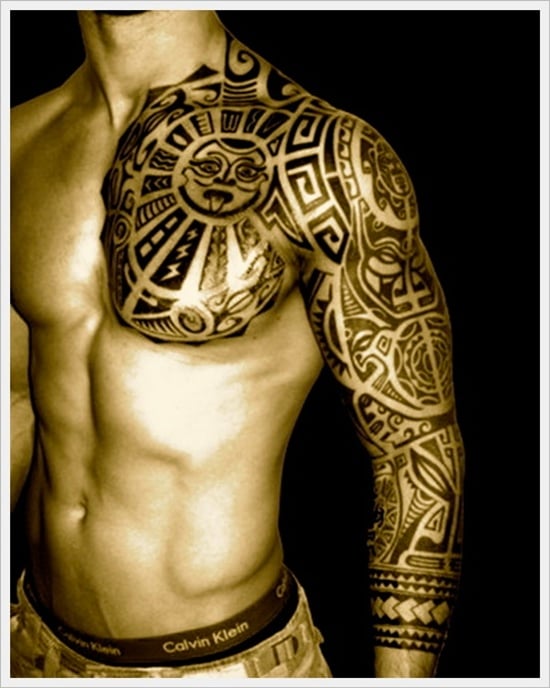
How the ‘Civilized’ West Muddied the Meaning of Tribal Tattoos.
- https://fashpow2014.wordpress.com/2014/04/29/how-the-civilized-west-muddied-the-meaning-of-tribal-tattoos/
- http://www.tattooeasily.com/wp-content/uploads/2013/03/tribal-tattoo-designs-for-arms-40.jpg
- http://www.coupletattoo.com/wp-content/uploads/2014/11/spectacular-sleeve-tattoos.jpg
- http://wildbeautyworld.com/wb_v1/wp-content/uploads/2014/11/rihanna_tribal_hand_tattoo.jpg
- http://www.tattoodesigns24.com/wp-content/uploads/2015/01/Polynesian-Tribal-Tattoo-On-Chest.jpg


Articles:
- "The Chiefs are bringing Native American imagery, and the ‘tomahawk chop,’ to a Super Bowl stage" (2020) - https://www.washingtonpost.com/sports/2020/01/27/tomahawk-chop-kansas-city-chiefs/
- “Mascots, Beer, and Peanuts: Check the Expiration Dates” (2014) http://www.nativetimes.com/index.php/life/commentary/10664-mascots-beer-and-peanuts-check-the-expiration-dates
- “Cleveland Indians Fan in Redface Comes Face-to-Face with Native American During Protest” (2014) http://www.buzzfeed.com/austinhunt/cleveland-indians-fan-in-redface-comes-face-to-face-with-nat
- “FIFA to Investigate after Fans Wear Blackface to Ghana World Cup Match” (2014) http://www.buzzfeed.com/austinhunt/german-fans-go-blackface-for-ghana-match
- “A Sacramento Kings Fan Went to Last Night’s Game Wearing Blackface” (2012) http://www.buzzfeed.com/nicholasschwartz/a-sacramento-kings-fan-went-to-last-nights-game-w
- “Native Groups to Protest Sunday’s Redskins Game in Arizona” (2014) http://indiancountrytodaymedianetwork.com/2014/10/09/native-groups-protest-sundays-redskins-game-arizona-157278
- “Dueling Native American rallies debate Redskins name” (2014) http://www.azcentral.com/story/news/local/glendale/2014/10/12/glendale-redskins-protest/17155341/
- “It’s Time to Change the Washington Redskins Name” (2013) http://www.nativetimes.com/index.php/life/commentary/9031-its-time-to-change-washington-redskins-name
- “Racist Mascots: Political Correctness Gone Wrong?” (2013) http://www.nativetimes.com/index.php/life/commentary/9155-racist-mascots-political-correctness-gone-wrong
Videos:
Music Videos
- “Title Max Comercial: Real Money” (2014) http://m.youtube.com/watch?v=DP9ek2Yuu5c#
- “Weird Al” - White parody artist “White and Nerdy” (2009) - http://www.youtube.com/watch?v=N9qYF9DZPdw
- “It’s All About the Pentiums” (1999) - http://www.youtube.com/watch?v=qpMvS1Q1sos
- Joslin Tsai “Fantasy” (2012) Taiwanese pop singer - Anglo appropriation? http://vimeo.com/55729740
- "The Powerful SUper Bowl Ad that Washington Redskins' Owner Dan Snyder Needs to See" (2014) http://mic.com/articles/80835/the-powerful-super-bowl-ad-that-washington-redskins-owner-dan-snyder-needs-to-see#.uu9pNe777
Articles:
- “Why a Bindi is NOT an Example of Cultural Appropriation” (2014) http://www.huffingtonpost.com/anjali-joshi/why-a-bindi-is-not-an-exa_b_5150693.html
- “Take That Dot Off Your Forehead and Quit Trying to Make Bindis Happen” (2014) http://jezebel.com/take-that-dot-off-your-forehead-and-quit-trying-to-make-1563531208
- “Why Selena Gomez’s Bindi is Not Okay” (2013) http://jezebel.com/why-selena-gomezs-bindi-is-not-okay-475214428
Slam Poetry
- “What Kind of Asian Are You?” (2013) – Alex Dang poem https://www.youtube.com/watch?v=VoP0ox_Jw_w
- “Oreo” (2014) – Tucker Bryant https://www.youtube.com/watch?v=bMvbvjBFvzo
- “To JK Rowling, From Cho Chang” (2013) – Rachel Rostad https://www.youtube.com/watch?v=iFPWwx96Kew
- Rostad’s response to critiques of her poem https://www.youtube.com/watch?v=04qQ1eNGJwM
- “Jozer on Cultural Appropriation” (2013) – Jose Guerrero https://www.youtube.com/watch?v=ui6-IfDLaFw
- “The Future” (2013) – Neil Hilborn (ableism) https://www.youtube.com/watch?v=6xUEg2WxGqQ
- “OCD” – Neil Hilborn https://www.youtube.com/watch?v=vnKZ4pdSU-s
Genuine Expression?
Sage Francis – White hip hop artist from New England
Playlist - http://www.youtube.com/watch?v=G4vVH3hBfs4&index=3&list=RDB8UMxK5koZY
Website - http://www.sagefrancis.net/
Die Antwoord – White rap-rave group from South Africa
Website - http://www.dieantwoord.com/
Two drastically different videos:
“I Fink U Freeky” - http://www.youtube.com/watch?v=8Uee_mcxvrw
“Ugly Boy” - http://www.youtube.com/watch?v=uMK0prafzw0
Eminem – White hip hop artist from Detroit
“Real Slim Shady” - http://www.youtube.com/watch?v=eJO5HU_7_1w
Articles:
- "King: White students spark controversy with Drake lyrics" (2015) http://m.nydailynews.com/news/national/king-white-students-spark-controversy-drake-lyrics-article-1.2416611
- “Playing Black for Laughs” (2014) http://www.tolerance.org/blog/playing-black-laughs
- “Corporate America Struggles to Use Slang to Market to Youth” (2002) http://peninsulaclarion.com/stories/111402/bus_1114020003.shtml
- “Shit Rich College Kids Say” (2014) http://shitrichcollegekidssay.tumblr.com/post/101192989144/oppression-there-are-people-being-killed-because-of
- Non-binary Support Blog Post on topic of “Pangender” being culturally appropriative (2014) http://nonbinary-support.tumblr.com/post/102106836598/i-identify-as-pangender-but-i-read-that-its